
HELP AVAILABLE 24/7 – CALL NOW

Latest News

    • NOVEMBER 30, 2020
    • 0
    10 Tips to Stay Sober this Holiday Season

    10 Tips to Stay Sober this Holiday Season

    It isn’t easy to describe the 2020 holiday season.  Under the best of circumstances, people are trying to coordinate meals, gifts, travel, and time off from work.  This year, however, people are figuring out how to stay safe from the Covid-19 epidemic and cope with some typical holiday stressors.

    For people in recovery, the stakes are extremely high this year.  Some may be looking at their first sober holiday in years and are now dealing with the disappointment of not seeing family or friends as they had planned.  Some may still even be in treatment and not looking forward to celebrating in a treatment center or even halfway house.

    Holidays without alcohol or drugs can be a challenge. Without the same access to a support network as one enjoyed pre-pandemic, it’s easy to focus on the challenges instead of solutions.  Here are ten tips for anyone to use to start planning a memorable year:

    1. Fully use technology

    Yes, we’re all sick of Zoom, but it is popular for a reason. Make sure to Facetime or video call your family. Text. Use the phone. Use Facebook messenger. Just remember that, thankfully, we live in a time where the people you love are no more than a phone call away. Take advantage of the opportunity that technology has given us.  If you’re in treatment, most places will allow phone calls on the halls – be sure to ask!

    Go to an AA, NA, or CA meeting or marathon meeting online. Better yet, if you’re area has any meetings, it’s a great way to spend a holiday. Many AA groups have a tradition called an “Alca-thon” where there are 24 hours of continuous meetings in one location. Because of Covid-19, many groups are doing this virtually.

    2. Build your own sober traditions – even if they are virtual

    Try to rearrange your thinking. You now have a chance to build your own sober traditions and start your own new day. Remember, too; there are no rules.  If you want to order Chinese food instead of a turkey, do it!  Instead of a dinner get together, have an ice cream sundae party with your household.

    Start thinking out of the box.  What can help you celebrate you feel connected?  Perhaps it’s a special movie you can watch with friends and family online.  Maybe it’s a pro and/or college football event to watch.  Why not tailgate in your home if you can’t go to your favorite game?

    Another idea is to develop a meaningful sober tradition for yourself?  Perhaps you donate a dollar for each year you are sober to a cause that’s important to you.

    3. Speak with the professionals, and ask for help.

    Again, the holidays are difficult in the best of circumstances. If you are in recovery, you may have some professional help to help you get through these difficult moments, especially if you are in treatment. If you have access to these resources, take advantage of them.

    Call your sponsor if you are in a support group such as AA or NA. See if you can meet for a coffee outdoors somewhere to be around a supportive person. Remember, your sponsor is going through the holidays sober as well.

    4. Stay busy

    People often say that an alcoholics’ main problem centers in the mind.  Too much time can lead to sadness, regret, resentment, and a desire to use or drink.  Don’t just let yourself sit around. Instead, make sure to have a list of things to do that can keep you active and busy. This way, you will have activities to distract you from problematic thoughts or actions. Move a muscle – change a thought!

    5. Find something fun to binge on

    If there was ever a moment to get lost in a good television show, this is it. Thankfully, on-demand entertainment options offer a slew of ways that you can get lost in a fictional world. Have you been aching for that moment to just plop down on the couch for eight hours and completely lose yourself in a good show? This is it. Find a show you’ve wanted to binge on and go to town.

    6. Exercise

    Lots of exercise. There is no question that exercise can help anyone, but particularly people who are in recovery. Exercise can change the chemicals in your brain, help you feel better, and help fight off those feelings of loneliness or sadness that can come from this holiday season. Do what you can to get in some exercise this year. It doesn’t have to be a massive weight lifting session, but remember, even a brief walk can help you feel better.

    7. Volunteer

    With Covid-19, many non-profits are desperate for help.  If there is a way you can safely volunteer, find it. Do you know an animal shelter that needs help? A blood bank? Soup kitchen? Surely there are good causes that need your help, and you can do some good in the world.

    Volunteering is a great way to increase gratitude.  If you can’t travel to your family this year, you can practice gratitude that the people you may serve in a soup kitchen or food pantry may not be able to see family either.  Being reminded that you are not alone is another way to increase gratitude.

    8. Digital entertainment

    Many articles have been written about how digital entertainment can help us feel connected, even during this pandemic. If you are a gamer, this may be the perfect day to start using digital entertainment to feel connected to others. This can be a great way of having fun and keeping your mind otherwise occupied.

    9. Pamper yourself

    Once you acknowledge just how difficult this day may be, do what you can to take care of yourself. That may mean different things to different people. It may mean going on a small business buying binge or getting that haircut you’ve been putting off. Whatever you do, make sure that you do it with kindness. Don’t berate yourself for your failings or the difficulties presented by your recovery lifestyle. Be nice to yourself, and act like you are being nice to yourself.

    10. Plan

    One of the worst things you can do is wake up on the morning of a holiday, realize it is a holiday, and come to the conclusion that you have absolutely no plan for how to get through the day. Mind you; you don’t need a formal, written plan. But you should have an idea of how you are going to get through the day, including a list of activities and people you can call if you get down.

    Getting through the holidays can be tough for anyone in recovery, but right now, they can be nightmarishly difficult for everyone. Thankfully, there are proven strategies that can help you make it. Check out the above ten tips, and remember this advice: This, too, shall pass. You got this.
    • NOVEMBER 20, 2020
    • 0
    Unusual Household Highs

    Unusual Household Highs

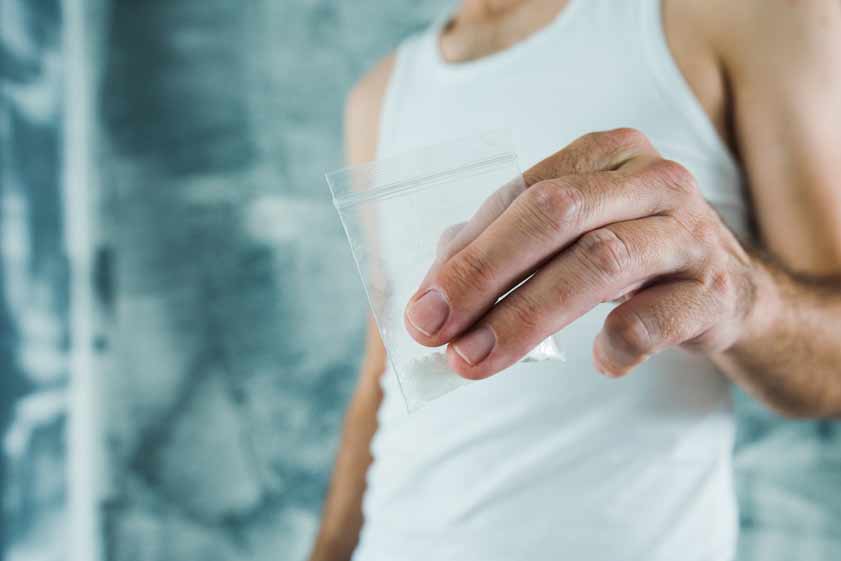
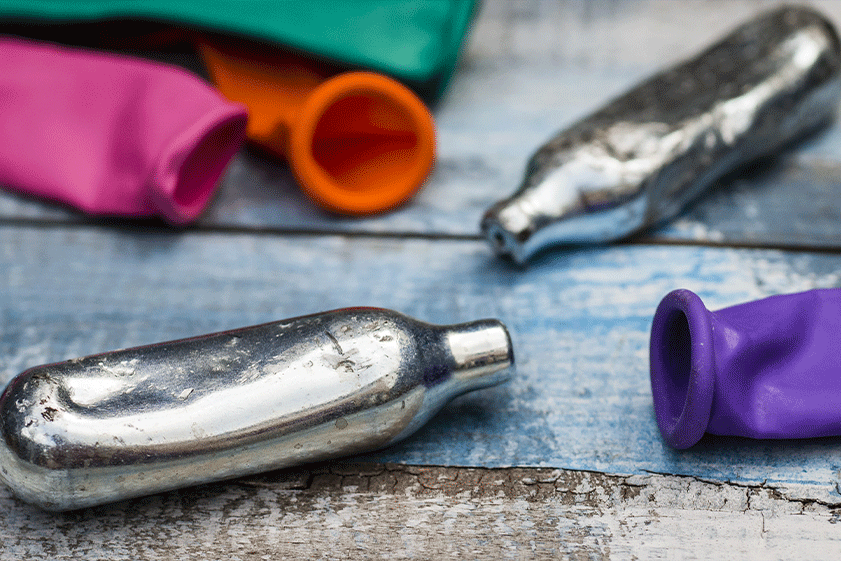
    When most people think of drug and alcohol abuse, they may picture a homeless person with a liquor bottle, someone buying heroin on a street corner, or someone searching a medicine cabinet for a prescription benzodiazepine. They don’t often think of the cough syrup in the house or even the hand sanitizer that we see

    • OCTOBER 30, 2020
    • 0
    Gabapentin: Use, Abuse, and Treatment

    Gabapentin: Use, Abuse, and Treatment

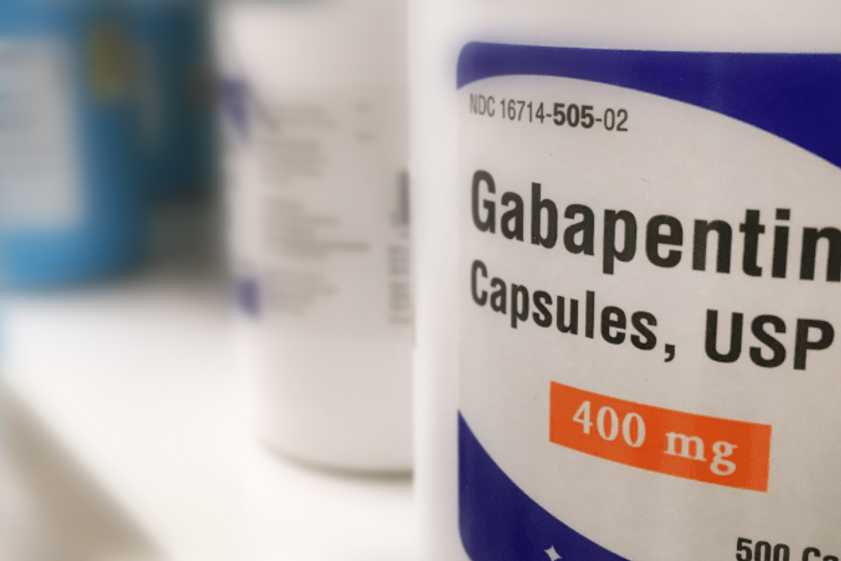
    As science has evolved, a wide array of drugs are now available that can make a tremendous, positive difference in the lives of tens of millions of people who suffer from a variety of painful disorders. Sadly, as far as we have come, we still have a long way to go, as ample evidence exists to demonstrate that many of these drugs have highly dangerous side effects and can be extremely addictive. One of those drugs is gabapentin.


    What Is Gabapentin?

    Gabapentin is an antiepileptic and anticonvulsant drug. It also goes by the brand name of Neurontin and works by altering how your brain operates. Specifically, it alters the neuroelectric workings of your brain, changing the transmission of these signals between nerve cells in your brain. Gabapentin side effects are minimal when taken as prescribed under a doctor’s care. Gabapentin drug interactions can be serious, as such patients should report all medications to their doctors.

    Gabapentin comes in many different forms, including immediate release and sustained release. Sustained-release tends to delay your body’s absorption of the medication and its experience with any side effects. It is generally preferred for people with substance use disorders, as delayed-release can also delay any of the pleasurable or “high” feelings that one experiences when taking a medication.

    While not classified by the federal government as a controlled substance, gabapentin has been classed as a Schedule 5 controlled substance in Kentucky and Michigan. This means that it is not a narcotic and is considered to be mildly addictive.


    Why People Use Gabapentin

    Gabapentin is often prescribed for restless leg syndrome, epilepsy, and forms of nerve pain (neuropathy). When used correctly, it is a safe drug and can be given to young children who suffer from certain types of seizures. Other uses include dealing with the pain caused by shingles and fibromyalgia.

    Some prescribers use gabapentin for off-label uses. This means that the medication is approved for specific uses and doctors and patients have found it beneficial to treat additional conditions. Gabapentin has been prescribed for bipolar disorder, attention, and drug and alcohol withdrawal seizures. It has become a sort of “catch-all” medication due partly to uncertainty around its exact mechanism of action.

    How gabapentin is taken is extremely important, particularly for seizures. The dose must be taken at appropriate levels and intervals. Failure to do so may intensify seizures and result in other severe side effects. As such, adults who take gabapentin must do so at regular intervals and keep a very close eye on when they take this medication. Because how to take gabapentin is important, how to stop taking gabapentin is important and should only be done in consultation with a medical professional.


    How And Why Do People Abuse Gabapentin?

    The good news is that gabapentin can be useful to people who suffer from an array of illnesses. Even better is that its chemical structure impacts certain brain areas with a minimum of “high” side effects. This means that gabapentin can be a safer alternative to opioids, which are incredibly addictive.

    However, that is not to say that gabapentin does not come with addiction dangers. The chemical structure of gabapentin can result in someone experiencing feelings of relaxation and joy as anxiety and pain ease. While these feelings are not quite as intense as they can be with opioids, they are still present, resulting in physical dependence. When it comes to gabapentin, this can be extremely dangerous, as doses must be timed and structured in such a way as to avoid dangerous withdrawal symptoms.

    Common Gabapentin Withdrawal Symptoms

    • Agitation
    • Confusion / Disorientation
    • Sweating
    • Gastrointestinal symptoms
    • Tremors
    • Fast heart rate
    • High blood pressure
    • Insomnia

    People misuse gabapentin in many ways. Patients can be prescribed the drug by their doctor for an existing medical condition, only to become addicted. People report misuse through crushing and snorting gabapentin rather than taking it orally.

    Street Names for Gabapentin

    As noted by numerous news reports, there is now a strong black market for gabapentin, which is also called “johnnies” or “gabbies” on the street. People purchase the medication illegally, which is extremely dangerous and contributes to addiction. People misusing this medication and buying it on the street are also at risk of buying counterfeit pills, which may be laced with fentanyl leading to an increased risk of a gabapentin overdose.

    Gabapentin Abuse

    Unfortunately, numerous studies have indicated the strong potential for gabapentin abuse and addiction. One 2012 study noted that gabapentin could produce “high” like effects, including euphoria and putting patients into a “zombie-like” state. The same study reviewed the available evidence and found that gabapentin was widely prescribed. It was also found in an increasing number of toxicology reports, alongside many other addictive medications. The same report noted that gabapentin was being found in more and more illegal drugs, such as heroin, thus increasing its danger.

    Meanwhile, a 2016 review examined available evidence and found that as many as 1% of the general population could be abusing gabapentin. However, only 40-65% of those people misused prescription gabapentin, meaning that the rest were obtaining the drug illegally. Furthermore, 15-22% of people who already used opioids were also using gabapentin, creating a complicated situation in which individuals misused multiple classes of drugs simultaneously. These disorders are much more challenging to treat and much more dangerous.

    The irony is that gabapentin is not an opioid and was developed, in part, to be a less addictive alternative to opioids.


    Effects of Gabapentin Addiction and Abuse

    Even under normal circumstances, gabapentin is not a drug that is without its dangers or potential problems. It must be used as prescribed by a doctor, and a failure to do so can result in a wide array of side effects, including:

    • Loss of coordination
    • Difficulty speaking
    • Abnormal eye movements
    • Nausea & vomiting

    Unfortunately, more severe side effects can occur, including irritability, violent behavior, mania, panic attacks, and worse. In some cases, gabapentin use is associated with suicidal thoughts or actions. All of these side effects can intensify with misuse or abuse.


    There are additional dangers with gabapentin use if taken in a way not prescribed by a doctor. Gabapentin is known to have adverse drug interactions with other medications and can cause dangerous side effects, such as breathing problems. You should always check with your doctor before using gabapentin for this exact reason.


    Some people ask if gabapentin is addictive. Gabapentin does have addictive properties; however, it has a low potential for dependence. As noted above, its side effects can be pleasant and euphoric. As a result of this and how it changes the nerve signals in your brain, people can become addicted to the substance. Gabapentin does not produce quite the same tolerance effects as opioids. Still, people can become more tolerant of some of its “positive” side effects, like anxiety reduction. As a result, they can take more and more of the drug, thus causing further addiction.


    In extreme cases, gabapentin overdose is possible, and it can be fatal. There are no treatments like Narcan, where an individual can directly intervene to aid someone overdosing. Immediate medical attention will likely be necessary to save the life of the person who has overdosed. Fortunately, with medical attention and appropriate medical care administration, an overdose need not result in death. Ideally, that individual will then immediately seek treatment for their gabapentin use disorder.


    How long does gabapentin stay in your system?

    The average half-life of Gabapentin is 5-7 hours, which means that it stays in your system for about 48-hours and doesn’t typically show up on a drug test. A standard 10-panel drug test screening for controlled substances will not detect Gabapentin. These tests screen for amphetamines, cannabis, cocaine, opioids, barbiturates, benzodiazepine, and PCP. Gabapentin is not detectable using a saliva swab test. Blood tests and urinalysis are most commonly used to screen for the drug.

    In general, the following applies:

    Blood tests Up to two days
    Hair tests Up to 30 days
    Urine tests One to two days in most individuals
    Saliva tests Cannot be detected using a mouth swab test


    Factors for detectability include age, body mass, overall health, how much, and how often it’s used, metabolism, hydration, and food eaten.


    Treatment for Gabapentin Addiction

    Treatment for gabapentin use disorder can vary depending on the severity of the addiction and the individual’s history. After all, no two people are the same, and no two addiction treatment plans will be identical.

    There are numerous treatment options for individuals who have a gabapentin addiction. Some or all of these may be used in conjunction with each other.

    Gabapentin Treatment

    Stopping Gabapentin suddenly can cause serious problems. If you or someone you love is seeking help for substance abuse, call now (855) 932-4045

    First and foremost, a person should have a complete medical assessment and begin the process of detox. Gabapentin is not an opioid; medication-assisted treatments that work for opioids will not work.  Your withdrawal symptoms will be managed by the medical professionals you’ll interact with and they will do their best to keep you comfortable.

    Following detox, there are several options for treatment:

    Out-patient treatment

    Out-patient treatment allows an individual to live at home or another setting while participating in treatment. They may spend time working with therapists, addiction counselors, or others. These professionals can help someone find the root causes of their addiction, manage their illnesses, learn new coping strategies, and make lifestyle changes that can affect a lasting recovery.


    In-patient treatment

    For some, in-patient detox and treatment is the most effective treatment option. An individual will stay at a treatment facility and participate in daily structured groups, activities, and work with a primary therapist to understand their addiction and become grounded in recovery principles.


    Support groups & group therapy

    Group therapy is a meeting, typically facilitated by a licensed therapist. Participants engage in structured conversations or activities as they relate to substance use disorders. Support groups such as Alcoholics Anonymous are peer-led meetings focused on recovery. Whether it is group therapy or a support group, it is hoped that all participating individuals will learn from each other and use their issues and challenges to grow.

    The good news, as you can tell, is that gabapentin addiction can be treated. With proper care and counseling, you or your loved one can recover from gabapentin addiction. Remember, you don’t need to live a life filled with pain and suffering – you deserve so much better. Contact us today for more information on how our experts can help you recover from your gabapentin addiction.

    • OCTOBER 8, 2020
    • 0
    13 Physical Signs of Cocaine Addiction

    13 Physical Signs of Cocaine Addiction

    Cocaine can be a very addictive substance as it creates a rush of dopamine in the brain that increases feelings of pleasure. By altering the chemical composition of the brain, cocaine becomes increasingly difficult to quit.

    The National Institute on Drug Abuse reports that over 14 percent of Americans who are 12 and above have used cocaine in their lifetimes. Additionally, between 2001 and 2013, there has been a 29 percent increase in cocaine overdose-related deaths.

    It can be snorted, smoked or injected. A high from cocaine is generally brief depending upon how it is administered, commonly leaving the body between 5 and 30 minutes. Since the euphoric effects from cocaine use do not last very long, it is often binged to keep the high going.

    Consistent use can quickly and easily create a tolerance and dependence. There is often an urgency to consume more of it in potentially in higher quantities, making it powerfully addictive. When under the influence of cocaine, an individual might be extra talkative, hyperactive and have a decreased appetite. It also raises blood pressure and heart rate causing energy level increases and a greater ability to stay awake.

    Once it is no longer in someone’s system, they will experience a “crash” period that might consist of heavy eating and sleeping.

    Physical Signs of Cocaine Addiction

    Determining whether you or a loved one has an addiction to cocaine might not be easy. The severity of a suspected addiction is measured on a spectrum from mild to severe. This is identified based on the level of impact cocaine use has on an individual’s life.

    There are both physical and psychological impacts on the body. Here are 13 physical signs of cocaine addiction to look out for:

    1. Dilated pupils
    2. Runny nose
    3. Weight loss
    4. Nose bleeds
    5. Burn marks on hands and lips
    6. Poor hygiene
    7. Needle marks
    8. Increased body temperature
    9. Tremors
    10. Impaired sense of smell
    11. Trouble swallowing
    12. Malnourishment
    13. Headaches

    Some psychological signs and behaviors of cocaine addiction to also be aware of include:

    • Mood swings
    • Paranoia
    • Anxiety
    • Erratic or violent behavior
    • Restlessness
    • Issues in personal and professional life

    Cocaine Withdrawal Symptoms

    Other obvious signs of a cocaine addiction can be the withdrawal symptoms that appear in the absence of the drug. Since cocaine releases an abundance of dopamine in the brain, the brain then becomes unable to generate regular amounts of dopamine by itself. This creates the urge to continue to use, despite harmful consequences.

    Withdrawal symptoms can appear just hours after the drug has left the body and are generally more psychological than physical. There are also different stages of withdrawal that an individual can experience with the worst symptoms occurring within the first month after ending use. Although each person’s journey is unique, some withdrawal symptoms that can be expected are:

    • After 1-3 hours
      • Irritability
      • Increased appetite
      • Anxiousness
    • Week 1
      • Cravings
      • Depression
      • Mood swings
    • Weeks 2-4
      • Depression and cravings continue
      • Irritability
      • Agitation
    • Weeks 5-10
      • Withdrawal symptoms may begin to subside
      • Anxiety might come back

    Health Impacts of Cocaine Addiction

    In addition to short term signs of addiction and symptoms of withdrawal, cocaine can have lasting health impacts that can permanently damage the body. Over the long term, use can impact the heart, lungs, brain, kidneys, and gastrointestinal system. Individuals can potentially experience:

    • Rapid breathing
    • Elevated heart rate
    • High blood pressure
    • Seizures
    • Vein collapse
    • Skin infections
    • Soft tissue infections
    • Decay of intestines
    • Asthma
    • Movement disorders
    • Increased likelihood of respiratory infections like pneumonia
    • Coma


    These effects can often lead to a heart attack or stroke. Overdosing is also common and can kill an individual in as quickly as 2-3 minutes. The severity of the effects of cocaine is heavily dependent on the frequency and intensity of use.

    Once it is clear that cocaine addiction is present, it is immediately necessary to seek professional help. Do not wait until it is too late when the effects of cocaine use could be fatal.

    • OCTOBER 8, 2020
    • 0
    Physical Signs of Xanax Addiction

    Physical Signs of Xanax Addiction

    Xanax, most commonly prescribed for anxiety and panic attacks, is a highly addictive benzodiazepine. Due to the fact that is very easy to develop a tolerance to Xanax, there is an extremely high potential for addiction, even when the drug is prescribed by a doctor. Currently, Xanax is the most commonly prescribed psychoactive drug in the United States.

    As of 2017, the number of Xanax prescriptions has risen to over 25 million. Benzodiazepines, which include Xanax, are known for their strong addiction potential and have resulted in approximately 8,000 overdose deaths in 2015 in the United States.

    The physical signs of Xanax use are the most effective way to tell if someone is abusing the drugs, because many of the physical symptoms only occur when someone is taking more than their prescribed dosage.  By knowing the most common physical signs of Xanax addiction, it may be possible to help a loved one on the path to recovery before it is too late.


    The most common signs of Xanax addiction include:

    1. Disorientation and Lack of Physical Coordination

    Xanax is used to treat the effects of anxiety by slowly decreasing nerve cell activity in the brain. However, if someone is addicted or abusing Xanax, this decrease in nerve cell activity can lead to dizziness and poor physical coordination. In addition, this same psychological process can also lead to memory loss, having lifelong implications.

    2. Slurred Speech and Blurred Vision

    Due to the fact that Xanax is a depressant, similar to the effects of too much alcohol, it commonly causes the slurring of speech and inability to see clearly. These physical signs are usually easier to spot, as an addict appears as they are under the influence. This also occurs especially because Xanax is usually combined with other substances, such as alcohol or opiates.

    3. Drowsiness and Exhaustion

    Similar to the effects of an alcohol hangover, individuals who abuse Xanax often feel sluggish and tired the morning after they use the drug. This “Xanax hangover” occurs as a mild withdrawal from the drug. With this Xanax hangover, headaches, nausea, fatigue, lack of motivation, and trouble sleeping are also very common symptoms.

    4. Withdrawal Symptoms

    With more serious abuse, many more withdrawal symptoms can occur. Because of the highly addictive nature of Xanax, many people who begin taking the drug develop a dependence, and later when they try to stop, very painful withdrawal symptoms. Because Xanax has a short half-life, meaning it enters and exists the body very quickly, these physical withdrawal symptoms can appear in as little as 6 hours after the last dose. The most common and easily identifiable Xanax withdrawal symptoms include seizures, headaches, blurred vision, nausea, vomiting, muscle aches, and tingling in arms and legs.


    A complete list of physical signs of a Xanax addiction:

    • Drowsiness
    • Tiredness
    • Dizziness
    • Sleep problems (insomnia)
    • Memory problems
    • Poor balance or coordination
    • Slurred speech
    • Trouble concentrating
    • Irritability
    • Diarrhea
    • Constipation
    • Increased sweating
    • Headache
    • Nausea
    • Vomiting
    • Upset stomach
    • Blurred vision
    • Appetite or weight changes
    • Swelling in your hands or feet
    • Muscle weakness
    • Dry mouth
    • Stuffy nose
    • Loss of interest in sex

    By being able to recognize the most common physical signs of a Xanax addiction, you may be able to help a loved one before it is too late.https://www.statista.com/statistics/781816/alprazolam-sodium-prescriptions-number-in-the-us/#:~:text=Number%20of%20alprazolam%20prescriptions%20in%20the%20U.S.%202004%2D2017&text=As%20of%202017%2C%20the%20number,risen%20to%20over%2025%20million.